
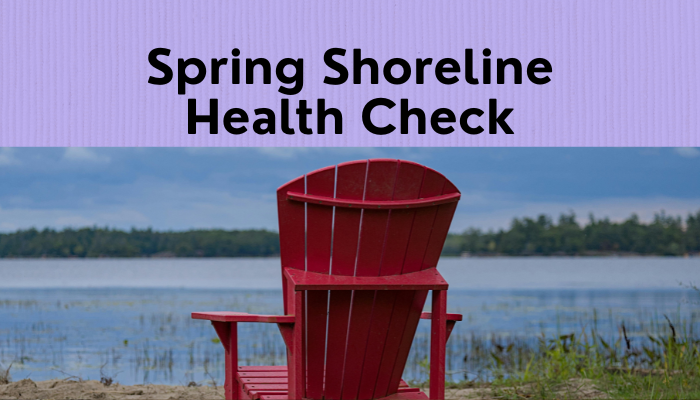
Erosion Season Is Coming. Kawartha shorelines work hard all winter. Ice movement, wave action, and spring melt can loosen soils and undermine older structures. If you’ve noticed land loss or slumping over the past few seasons, spring is the right time to walk your waterfront with a critical eye and plan fixes that last. Cutting Edge delivers shoreline restoration and erosion control services across Kawartha Lakes, Trent Lakes, Peterborough, Southern Muskoka, and surrounding areas. We combine natural stone design, stabilization, and expert installation to keep your shoreline beautiful and intact. Why check now Erosion does not pause. Without intervention, each season can take a little more of your property. Lost shoreline does not come back, so early action prevents small issues from becoming major projects and protects both your investment and the lake. A simple spring shoreline checklist Land loss or slumping: Just a few inches per year adds up. Cracks, sinking, or collapsing edges: Signs of instability that require reinforcement. Pooling water near the shore: Poor drainage accelerates erosion and may need grading or restoration. Damage from waves or ice: Look for displaced stone, exposed fabric, or undermined sections. Exposed roots or unstable slopes: An Indicator that soils are moving and need stabilization. What a durable restoration looks like A durable shoreline restoration protects your property and looks good. It stabilizes the bank, moves water along a safe path, and uses materials suited to your site. Cutting Edge delivers shoreline restoration, erosion control, natural stone design, and stabilization, backed by 16+ years of local experience. Learn more about our shoreline services (link to shoreline page). How projects unfold On-site assessment: Evaluate erosion drivers (waves, ice, runoff) and discuss your goals for your property. Design and schedule: Align the approach with local requirements, budget, and timing. Installation & reinforcement: Build a durable, attractive solution tailored to your shoreline. Finishing touches: Landscape enhancements for access, usability, and curb appeal. Think you’re losing shoreline? Request a free shoreline consultation on the /shoreline page or call 705-875-2127 .
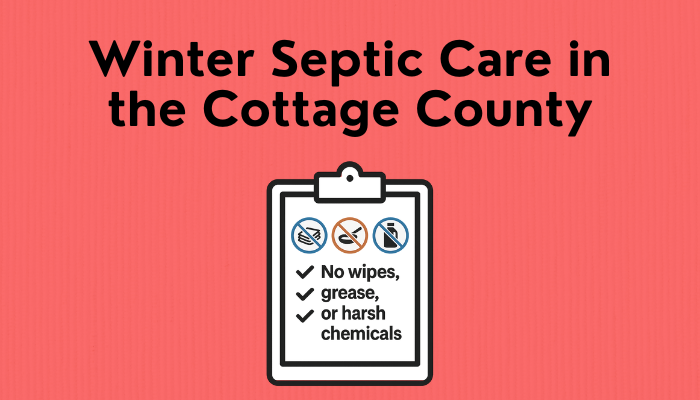
Winter Septic Care in Cottage Country Cold snaps and heavy holiday use can push a septic system to its limits. A few simple habits can prevent mid-winter backups and costly repairs. Cutting Edge services septic systems in Kawartha Lakes, Trent Lakes, Peterborough, Southern Muskoka, and surrounding areas, offering assessment, repair, and full replacement when needed. Quick checks before deep winter Know your system. Location of the tank and bed, age, and any past issues. Protect the bed. Leave grass longer and keep a light layer of snow on top to insulate. Avoid shoveling down to bare soil. Keep driving and parking off the field. Compacted snow loses insulation and can lead to freezing. Mind the downspouts. Redirect roof runoff away from the tank and field to prevent saturation and ice build-up. Holiday-season habits that help Watch what goes down. No wipes, grease, or harsh chemicals. These clog or shock the system. Use warm water, not scalding. Very hot water can melt and refreeze lines in cold soil. Check for slow drains or gurgling. Early warnings are your cue to book a service call. Signs you may have a freeze-up Multiple fixtures are draining slowly or backing up You notice sewage odours outdoors near the tank or bed Gurgling when other fixtures run If you see any of these signs, contact a professional. Cutting Edge can assess whether a repair, upgrade, or replacement is the right path. Average replacement cost depends on the site and design of the system. Click here for more info . Planning ahead pays off Now is a good time to book ahead for spring work. Permits, design, and scheduling move faster when you start early, especially if you plan renovations or short-term rentals next season. Cutting Edge handles consultation, design, permits, installation, and replacement so you are ready for the busy season! CTA: Have questions about winter septic care or planning spring work? Request a free consultation or call 705-875-2127 .
Renting your cottage can help offset ownership costs, but only if the basics are handled – starting with your septic system. In Ontario, short-term rental platforms like Airbnb and Vrbo operate legally and are regulated at the municipal level, which means local licensing often requires proof your septic is appropriately sized and in good working order. Cutting Edge provides septic consultation, repairs, upgrades, and full replacements across Kawartha Lakes, Trent Lakes, Peterborough, Southern Muskoka, and surrounding areas to help owners meet by-law requirements and rent with confidence. What “compliance” usually means In practical terms, your system needs to be right for the dwelling it serves (bed/bath count and daily design flow), installed to code, and in sound condition. Cutting Edge’s septic services include consultation to determine if a system is failing or undersized, plus installation and replacement when needed. Here are some early warning signs to watch for Even before a formal inspection, watch for: Slow drains and backups Sewage odours outdoors Standing water near the field Unusually lush grass over the bed Renovations or added bedrooms since the system was installed If you notice any of these signs, book a consult and we’ll come out to inspect the system. A realistic path to rental-ready Consultation & assessment: Confirm current system type, size, and condition against the home’s use. Scope the fix: Determine whether repair, upgrade, or full replacement is the right path to meet local by-laws for STR licensing. Installation & verification: Complete work to code so you can proceed confidently with licensing. Care plan: Pump-out intervals and best do’s/don’ts (no wipes, grease, or chemicals) to keep the system healthy. Where we work Cutting Edge services Kawartha Lakes, Trent Lakes, Peterborough, Southern Muskoka, and the surrounding areas . We bring local knowledge of soils, shoreline conditions, and regional rules that reduce surprises and keep projects moving. Ready to confirm your septic is rental-ready? Request a free consultation or call 705-875-2127 .
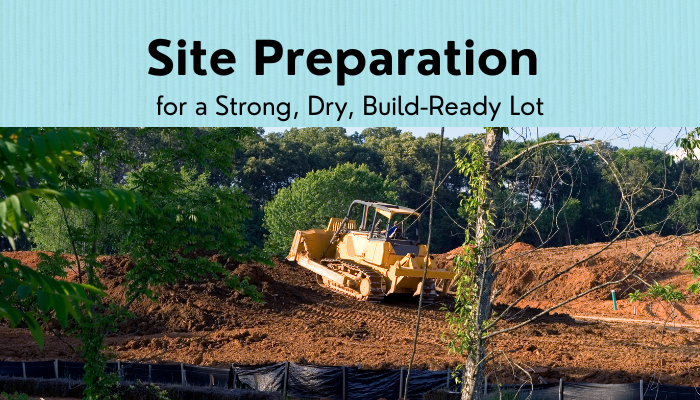
A great home starts long before the first wall goes up. Some of the most important work happens before the build: site preparation . Done well, it protects your foundation, manages water, and sets your build up for a smooth construction phase. At Cutting Edge Landscaping & Excavation, we bring the training, knowledge, and equipment to handle the full scope of site prep, including drainage, tree removal, cleaning and testing of soil, surveying to determine lot/house boundaries, excavating, backfilling, levelling, and grading, so your project begins on solid ground. Why Site Preparation Matters (and Pays Off) Site prep is where small decisions have big consequences. Good drainage keeps water away from the structure. Accurate surveying prevents boundary surprises. Clean, tested soil supports stable backfill. Proper excavation and backfilling protect the foundation. Smart levelling and grading make the whole property easier to live with and maintain. Investing in the groundwork reduces delays, change orders, and future repairs, because a strong finish starts with a strong base. What “Full-Scope” Site Prep Looks Like Here’s how the core pieces fit together and why each one matters: 1) Drainage: Move Water Where You Want It Water is a home’s biggest long-term challenge. We shape the site so water sheds away from the house, not toward it. That starts with a grading plan and continues with practical drainage solutions that fit the property. The aim is simple: keep the foundation dry, prevent pooling, and make sure seasonal rain or snowmelt has an easy path off your lot. Benefits you’ll notice: Drier basements and crawlspaces Less erosion and rutting Fewer freeze-thaw headaches around walkways and driveways 2) Tree Removal: Clear Safely, Build Smart Thoughtful tree removal creates safe access for equipment and opens up the build area. It also protects nearby trees you want to keep by planning felling, staging, and hauling carefully. Clearing the footprint early makes every other step, like surveying, excavation, and levelling, safer and more efficient. 3) Cleaning & Testing the Soil: Start with a Clean, Known Base We remove organics, stumps, construction debris, and unsuitable fill so you’re not building on material that will decay, settle, or hold water. Clean , tested soil is the difference between “it looks fine today” and “it stays sound for years.” 4) Surveying to Determine Lot/House Boundaries: Build in the Right Place Before a bucket touches the ground, you want the layout right. Surveying clarifies lot lines, sets house location, and helps align the footprint to your plan. Accurate boundaries avoid neighbour disputes and ensure the build sits exactly where it should, so your foundation, driveway, and drainage all work together. 5) Excavating: The Foundation of the Foundation Excavation is more than digging a hole. It’s about reaching the correct depth and dimensions for your foundation, keeping sidewalls stable, and preparing the base so the structure sits on uniform, appropriate sub-grade. Done right, excavation speeds up the concrete phase and reduces the potential for having to fix mistakes later. 6) Backfilling: Protect the Structure and Shed Water Backfilling supports the foundation walls and sets the stage for good drainage. Material selection and placement matter here: you want backfill that compacts well and slopes water away from the structure. This is where earlier steps, like clean soil, tested conditions, and a grading plan, really pay off. 7) Levelling & Grading: Everyday Ease, Long-Term Reliability Final levelling and grading shape how you use the property day to day. Access for vehicles and equipment, placement of patios and walkways, and even where snow ends up in winter, all improve when the site is graded with intention. Good grading looks invisible, which is exactly the point. A Simple, Real-World Sequence Every property is unique, but a typical site-prep flow looks like this: 1. Walkthrough & Plan – Confirm goals, boundaries, access, and the sequence of work. 2. Survey & Layout – Determine the house/lot boundaries and set the footprint. 3. Tree Removal & Clearing – Create safe, efficient access and open up the build area. 4. Cleaning & Testing of Soil – Remove unsuitable material and understand soil conditions. 5. Excavation – Dig to spec for the foundation and any service trenches. 6. Drainage Setup – Shape the sub-grade and plan water run-off away from the structure. 7. Backfilling – Support the foundation and establish a positive slope. 8. Levelling & Grading – Finish grades for access, future hardscaping, and easy maintenance. Our process keeps crews moving without tripping over unfinished steps, reduces site disturbance, and helps your foundation contractor move in quickly. Planning Timing: Why Fall Site Prep Sets Your Property up for Success in Spring Autumn is a practical time to book site prep. With summer traffic tapering off, there’s room to schedule drainage, clearing, testing, and grading, so your foundation work can start promptly when your build is ready. Getting the site shaped before winter also helps manage seasonal water and gives you a clean, known base to go into spring with. The result: less scrambling when the construction season opens, and fewer surprises when the ground thaws. What Homeowners Can Prepare Before We Arrive You don’t need to have every detail solved. That’s what we’re here for. A few simple steps will make the first day smoother: Share your goals and ideas – House size, general placement, driveway ideas, and lifestyle needs (parking, future patios, storage). Talk access – Where equipment can enter, any tight turns or overhead obstacles, and where materials can be staged. Be realistic about water – Point out any spots where you’ve noticed water pools after heavy rain or snowmelt so we can plan grading and drainage accordingly. From there, our crew handles the heavy lifting and keeps you informed as the work progresses. Common Site-Prep Questions Q: Do I really need soil cleaned if the area looks “fine”? A: Organic material (roots, stumps, topsoil) breaks down and settles. Cleaning and testing at the start avoids uneven support and soggy spots later. Q: How much tree removal is typical? A: Just enough to create safe access and a clear footprint. We plan removals to protect the trees you want to keep and to support the final grading plan. Q: Why is drainage listed first – shouldn’t that wait? A: Drainage influences almost everything else. When we plan water movement early, excavation and backfilling reinforce it, and final grading locks it in. Q: What’s the value of levelling and grading if I’m not landscaping right away? A: A well-graded lot is easier to live with from day one. It reduces mud, puddles, and ruts, and it makes future hardscaping faster and cleaner. The Cutting Edge Difference Great groundwork starts with planning, the proper equipment, and people who know how to use it. Cutting Edge delivers on all three. We move efficiently from first cut to final grade, and our scope covers drainage, tree removal, soil cleaning and testing, excavation, backfilling, levelling, and grading, so you deal with one team, one schedule, and clear accountability. Ready to Break Ground the Right Way? If a new build, addition, or major outdoor project is on your horizon, start with the ground beneath it. Site preparation is the best investment you’ll make in the lifespan of your home or cottage, protecting the foundation, controlling water, and setting up a site that works from day one. Get in touch to talk timelines and next steps. We’ll walk the site with you, map out a clear plan, and get the groundwork done right.
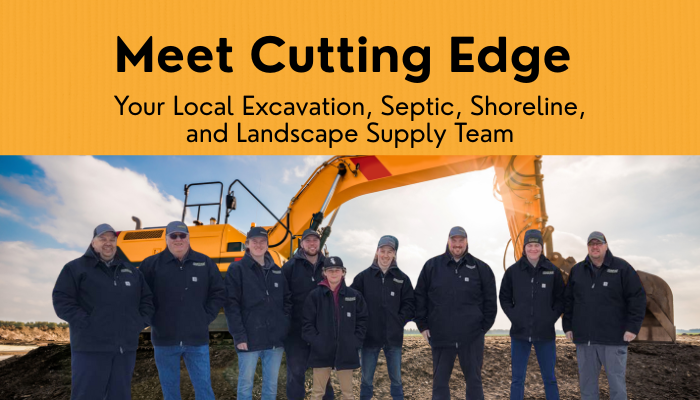
Meet Cutting Edge: Your Local Excavation, Septic, Shoreline, and Landscape Supply Team Cutting Edge is a family-owned excavation and landscaping company serving Kawartha Lakes, Peterborough, Trent Lakes, and nearby cottage country. Founded by contractor Jeremy Caton, the team brings years of hands-on expertise, reliable equipment, and a commitment to work that looks good and lasts. Homeowners, cottagers, and contractors count on Cutting Edge for solutions that protect properties and enhance curb appeal. What We Do From first dig to final finish, Cutting Edge handles full site preparation and property improvements with careful planning and strong workmanship. Core services include excavation, grading and site prep, retaining walls, drainage solutions, brushing, and lot clearing , landscaping, septic services, and shoreline remediation. One team, one plan, start to finish. Waterfront clients turn to Cutting Edge for shoreline restoration and erosion control that stand up to waves, ice, and changing water levels in the Kawarthas. Projects range from armour-stone reinforcement and naturalized planting to steps and safe access. The goal is simple. Protect what matters and keep the shoreline beautiful for the long term. Septic system needs are handled with equal care. Cutting Edge provides consultations, repairs and upgrades, full replacements, and new installations for renovations and new builds. The team also helps rental and Airbnb owners understand by-law requirements and plan compliant systems. We are licensed and insured, bringing more than 16 years of local experience to every job. Service Area Cutting Edge serves homeowners and contractors across Kawartha Lakes, Trent Lakes, and Peterborough, with projects also completed in Southern Muskoka and surrounding regions. Local knowledge matters in this landscape. Soil types, freeze–thaw cycles, shoreline rules, and municipal requirements influence design, materials, and timelines. Choosing a team that works here every day helps projects run smoothly. Landscape Supplies for Pros and DIY Alongside contracting services, Cutting Edge operates a Landscape Supply Depot at 580 Shamrock Road in Omemee that’s open to the public from May to November. Our contractor supplies are available year-round. The depot stocks mulch, topsoil, triple mix, brick sand, play sand, aggregates and gravel, armour stone and cut steps, and fire pits, with delivery available and service to both contractors and the general public. Materials are selected for quality and local performance, and delivery is available. Whether you are topping up garden beds, building a path, or planning a retaining wall, the team can help you choose the right products for your project. Why People Choose Cutting Edge Family-owned and rooted in our local community Licensed and insured, ensuring quality workmanship and peace of mind Practical, durable solutions for shorelines, drainage, septic systems, and building site prep End-to-end project support, from consultation to final grade Local materials and advice are available at the Landscape Supply Depot Ready to Get Started? If you are planning a shoreline project, need septic advice, want a quote for excavation or retaining walls, or site preparation, connect with the team to book a site visit. For do-it-yourself projects, stop by the depot to pick up quality materials and practical guidance. Contact Cutting Edge 580 Shamrock Road, Omemee, Ontario 705-875-2127 | info@cuttingedgekawartha.ca cuttingedgekawartha.ca
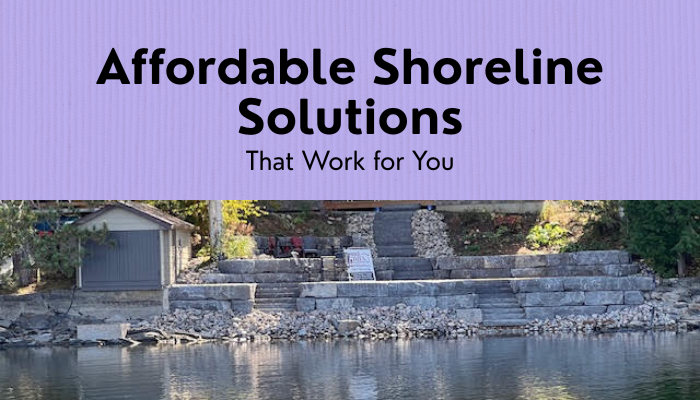
If your waterfront is starting to show signs of erosion or if you’re simply ready to invest in long-term shoreline protection then August is a great time to take action. With summer in full swing and fall approaching, it’s the perfect window to plan and begin your shoreline project before colder weather sets in. At Cutting Edge, we’re proud to offer affordable, effective, and environmentally sound shoreline solutions designed to protect your property and your lake. Why Shoreline Protection Matters Wave action, ice damage, and surface runoff can all take a toll on your shoreline over time. Left unaddressed, this erosion can lead to costly property loss, poor drainage, and even environmental degradation. The good news? With the right approach, you can prevent future damage while enhancing your shoreline’s natural beauty. What We Offer at Cutting Edge At Cutting Edge, we don’t believe in one-size-fits-all solutions. Our team takes a custom approach to each project: assessing your site, understanding your goals, and working within your budget to deliver results that last. Whether it’s a cottage waterfront or a residential shoreline, we combine natural materials and expert craftsmanship to build strong, attractive, and environmentally responsible restorations. Cost-Effective Options Without Compromise Protecting your shoreline doesn’t have to break the bank. We work with you to find the best approach based on your site conditions and budget. Whether it’s strategic placement of rock, regrading, or vegetative solutions, our team prioritizes both value and quality. The result? A shoreline that’s secure, sustainable, and built to last. Get Started Before Fall August is an ideal time to start shoreline work. The weather is still favourable, and there’s time to complete permitting and installation before fall weather complicates site access. By starting now, you’ll also be ahead of next year’s high-demand spring rush. Let Cutting Edge help you protect what matters most. Reach out today to schedule a site visit and talk to our team about affordable shoreline options tailored to your property.

Summer is here in full swing, and there’s no better time to tackle those outdoor projects you’ve been dreaming about all year. Whether you’re a homeowner sprucing up your garden, a cottager refreshing your outdoor retreat, or a contractor in need of quality materials, the Cutting Edge Landscape Depot in Omemee has everything you need to get the job done right. Why Choose the Cutting Edge Landscape Depot? Located at 580 Shamrock Road, our depot is your one-stop shop for premium landscaping materials and supplies. We offer a wide selection of topsoil, mulch, aggregates, grass seed, fertilizer, and more—all at competitive prices. Whether you’re creating a new flower bed, levelling your lawn, or building a backyard oasis, our knowledgeable team is here to help you choose the right materials for your specific needs. Bulk Materials for Big and Small Projects At Cutting Edge, we supply both homeowners and contractors with bulk materials that can be picked up or delivered. Choose from: Topsoil Natural and Black mulch Decorative and utility stone Sand, gravel, and limestone Grass seed and fertilizer Planning a backyard firepit or updating your fence line? We also carry custom fire rings, DIY fencing kits, dog runs, and more to help bring your vision to life. Shop Local and Support Your Community We’re proud to be locally owned and operated, with deep roots in the Kawartha Lakes and Trent Lakes area. When you shop with us, you’re not only getting top-quality products, you’re also supporting a local business that cares about your community. Act Fast – The Depot Closes at Summer’s End! The Landscape Depot is a seasonal service, open only during the warmer months. Be sure to stop by before the end of summer to stock up on everything you need to finish your landscaping projects. Whether you’re touching up your cottage driveway or laying the groundwork for a backyard patio, we’ve got you covered. Visit us Monday through Saturday at 580 Shamrock Road in Omemee or call ahead to ask about delivery options.

Summer is the perfect time to start major property upgrades, from landscaping overhauls to new construction projects. But before you break ground, there are several important factors to consider to ensure your excavation project is done safely, efficiently, and correctly the first time. Choosing the right excavation contractor is just as crucial as the project itself. At Cutting Edge, we’ve been helping homeowners and businesses with excavation services in the area for over 16 years, and we know what it takes to get the job done right. 1. Understand Your Project’s Scope The first step in any excavation project is to clearly define what you need. Are you preparing land for a new build, clearing space for landscaping, or installing a foundation? Each type of excavation requires different techniques, equipment, and expertise. A professional excavation contractor like Cutting Edge can help assess your site and recommend the best approach for your project. 2. Check for Permits and Regulations Excavation work often requires permits and compliance with local bylaws. Failing to secure the right approvals can lead to fines or delays. A reputable contractor will help navigate these requirements, ensuring that all work is done in accordance with municipal guidelines. If you’re not sure what permits you need, Cutting Edge will consult with you to keep your project on track. 3. Assess the Soil and Site Conditions Not all land is created equal. Some properties have unstable soil, hidden bedrock, or drainage issues that can complicate excavation work. A proper site evaluation will determine the best approach for digging and preparing the land. With years of experience in the Kawartha Lakes, Trent Lakes, and Peterborough regions, Cutting Edge understands the area’s unique terrain and will ensure your site is properly prepared before any work begins. 4. Safety First: Protecting Underground Utilities One of the biggest risks in excavation is damaging underground utilities like gas lines, water pipes, or electrical cables. Always check with Ontario One Call before any digging begins. A professional excavation company (like ours!) will take all necessary precautions to avoid costly and dangerous accidents. 5. Choose an Experienced Excavation Contractor With excavation, cutting corners can lead to costly repairs, unstable foundations, and drainage problems. Many contractors offer excavation services, but not all of them have the experience and equipment to handle projects properly. When hiring an excavation company, look for: Years of Experience – Cutting Edge has been family-owned and operated for over 16 years. Proper Licensing & Insurance – Ensure your contractor is fully insured for excavation work. Knowledge of Local Conditions – The communities we work in have unique soil and grading challenges that require expertise. A Reputation for Quality – Cutting Edge is trusted for professional, reliable work that stands the test of time. Start Your Excavation Project with Cutting Edge If you’re planning an excavation project this summer, make sure it’s done right the first time. At Cutting Edge, we provide expert excavation services for everything from lot clearing to grading and foundation prep. Contact us today for a consultation and let’s get your project started!
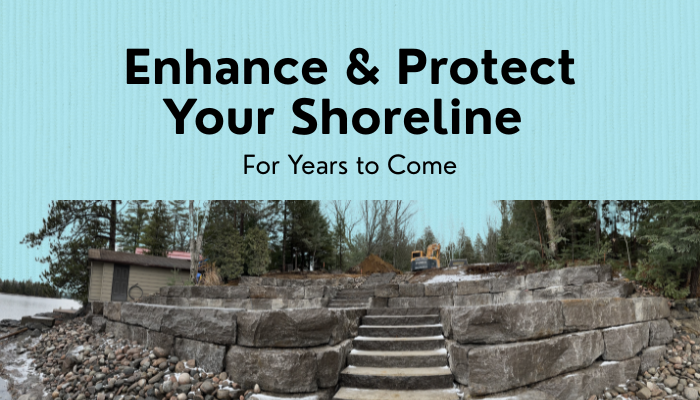
Shoreline restoration protects your property from long-term damage while improving the look and function of your waterfront. Here’s why it matters.

Whether you’re a homeowner, contractor, or Airbnb owner, understanding when a septic system needs replacing and what steps to take can save you time, money.